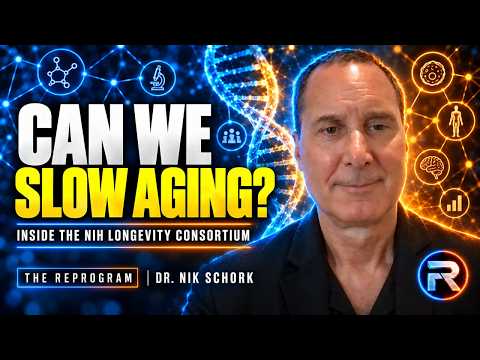
Can We Slow Human Aging?
Dr. Nik Schork on what would count as proof that an intervention slows human aging.
Watch episode
THE PODCAST WITH DR. GEORGE MURPHY
What does it really mean to age well? Explore the biology, question the claims, and discover what the evidence actually shows.
New to The ReProgram?Start with the two-minute introduction
THE EPISODE COLLECTION
Conversations with researchers and solo explorations of the science shaping how we think about aging.
Five most-watched full episodes in each category, based on YouTube views as of October 13, 2026.
Dr. Nik Schork on what would count as proof that an intervention slows human aging.
Watch episode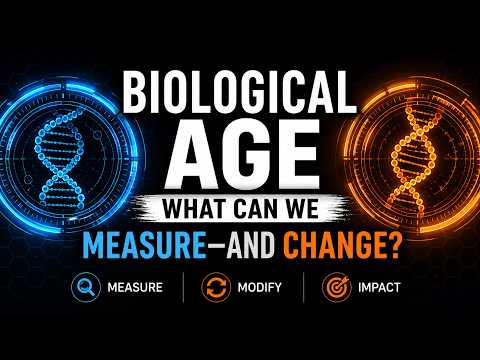
A conversation about biological age and what the science actually shows.
Watch episode
Exploring BPC-157, TB-500 and growth hormone through the evidence.
Watch episode
Steve Horvath explores the science of measuring and reversing aging.
Watch episode
Dr. Steve Austad on the lessons of exceptional longevity across species.
Watch episode
Dr. Rich Miller challenges how we measure aging and judge interventions.
Watch episode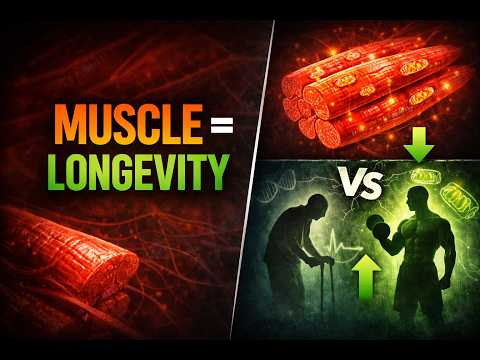
Looking beyond appearance to muscle’s role in everyday capacity and recovery.
Watch episode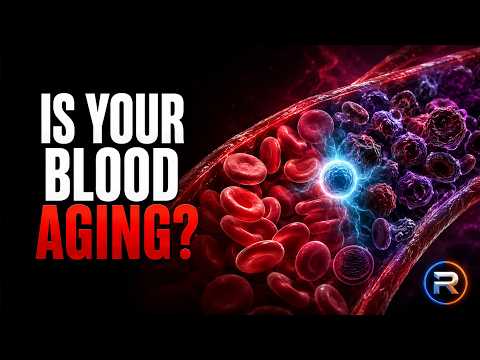
New blood cells, an older blood-making system, and the questions that follow.
Watch episode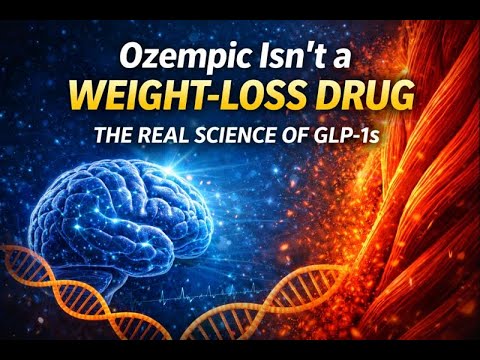
Exploring the biology of GLP-1 drugs beyond weight loss.
Watch episode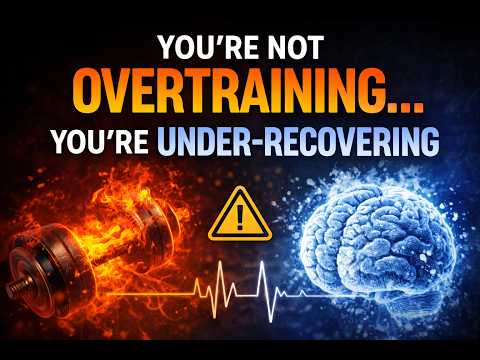
Why adaptation fails in modern life—and what recovery means biologically.
Watch episodeCan magic mushrooms change how we age? Examining the evidence and its limits.
Watch episodeThe first ReProgram Scorecard: weighing the promise, evidence and trade-offs.
Watch episodeMuscle, brain, safety and the limits of the longevity claim.
Watch episodeRevisiting the GLP-1 Scorecard after a mouse-lifespan study.
Watch episodeExamining the evidence, context and trade-offs behind metformin’s longevity claims.
Watch episodeA RECURRING SERIES
From familiar supplements to emerging therapies, George puts the promise alongside the evidence. What is plausible? What has been shown in humans? And what are the trade-offs?
THE QUESTIONS BEHIND THE GRADE
Start with the mechanism.
Look for meaningful human outcomes.
Consider safety, access and uncertainty.
Grades are editorial assessments of evidence and context, not personal treatment recommendations. Stronger evidence can change the score.
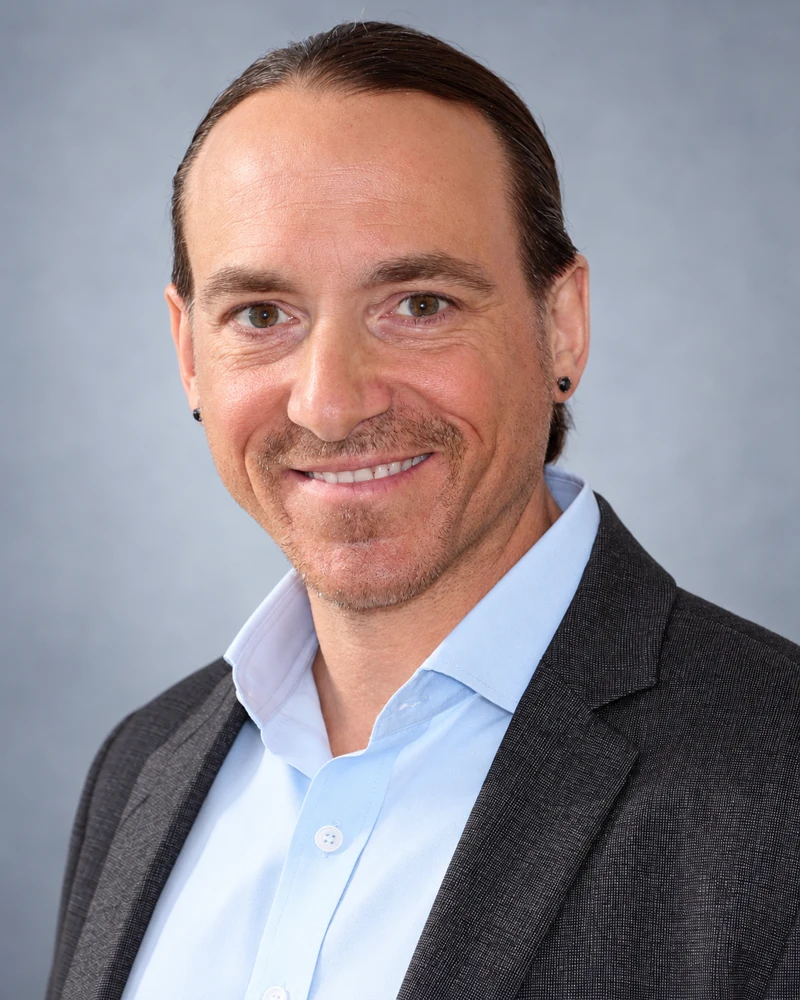
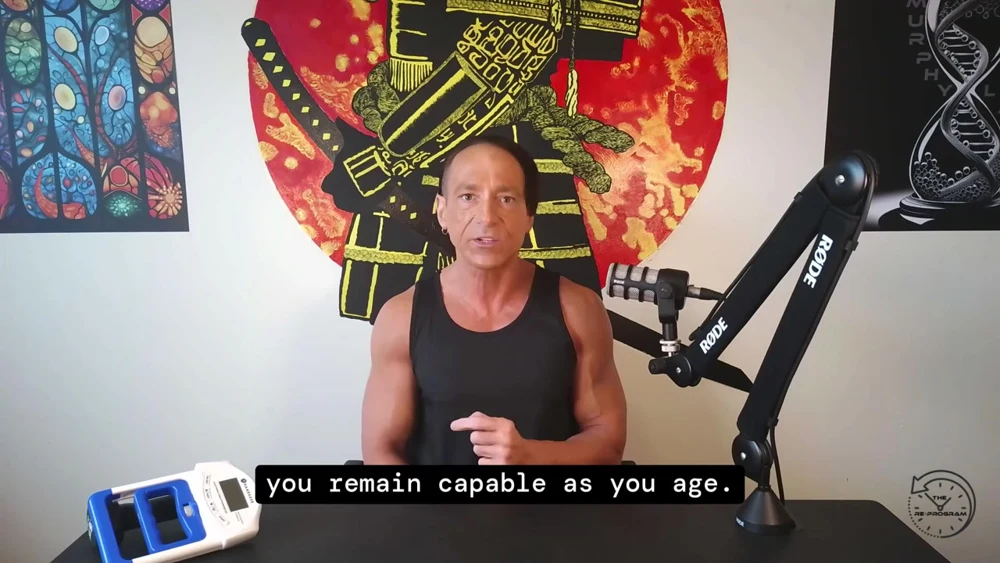
MEET YOUR HOST
Dr. George Murphy brings the perspective of a working researcher to the conversation about living longer and healthier.
He is a Professor of Medicine at Boston University and a co-founder of the Center for Regenerative Medicine at Boston University and Boston Medical Center.
His research explores stem-cell biology, regenerative medicine, exceptional longevity, and resilience to age-related disease. On The ReProgram, he brings that curiosity to conversations with scientists—and to the claims we encounter every day.
George earned his doctorate in Molecular and Cellular Biology at the University of Oxford and completed postdoctoral training at Harvard Medical School and Boston Children’s Hospital. His laboratory uses human cellular models to investigate how some people resist age-related disease.
THE REPROGRAM PERSPECTIVE
Understand aging.
Build resilience.
Knowledge is power.
Curiosity is the starting point. Evidence moves the conversation forward.
PRESS & CONVERSATION
For interviews, speaking inquiries, scientific commentary and conversations about the future of healthy aging.
KEEP ASKING BETTER QUESTIONS
Subscribe on your preferred platform and join The ReProgram.